

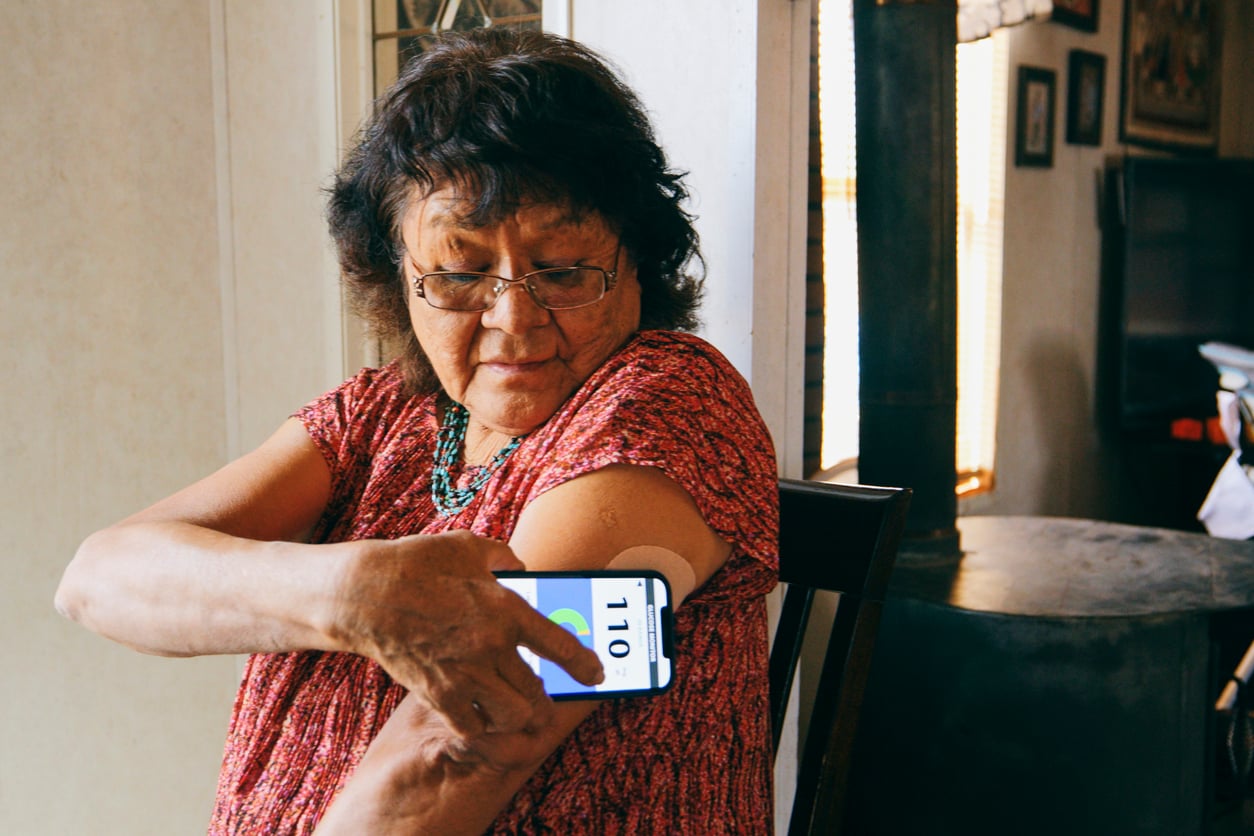
Managing diabetes can be challenging, but online tools make it easier than ever. With the right apps and programs, you can track your blood sugar, plan your meals, and receive expert advice from home.
Online management can be particularly beneficial for seniors with Type 2 diabetes. It allows you to monitor your health without the need for frequent visits to the doctor’s office. You can easily share your health data with your care team, ensuring everyone is informed and aligned regarding your treatment.
Understanding Diabetes
Diabetes is a serious health condition that affects how your body uses blood sugar. Understanding the types, symptoms, and health impacts of diabetes can enhance your management of it.
Types of Diabetes
There are three main types of diabetes:
- Type 1 diabetes: Your body doesn’t make insulin. You need daily insulin injections to survive.
- Type 2 diabetes: Your body doesn’t use insulin well. It’s the most common type.
- Gestational diabetes: This occurs during pregnancy and usually goes away after birth.
Type 1 diabetes develops when your immune system attacks insulin-producing cells. Type 2 often results from lifestyle factors. Your risk increases with age, weight, and inactivity.
Symptoms and Diagnosis
Common diabetes symptoms include:
- Increased thirst and urination
- Unexplained weight loss
- Blurry vision
- Slow-healing wounds
Doctors diagnose diabetes through blood tests. These check your blood sugar levels at different times.
The A1C test measures your average blood sugar over 2-3 months. It’s a key tool for diabetes management.
If you notice symptoms, see your doctor. Early diagnosis helps prevent complications.
Impact of Diabetes on Health
Diabetes can affect many parts of your body if not well-managed. It may lead to:
- Heart disease and stroke
- Kidney problems
- Eye damage and vision loss
- Nerve damage, especially in feet and legs
Good diabetes management can lower these risks. This includes controlling blood sugar, blood pressure, and cholesterol.
Regular check-ups are crucial. Your doctor can spot early signs of complications. They’ll help you adjust your treatment plan as needed.
Diabetes education can improve your health outcomes. Learning about diet, exercise, and medication helps you take control of your condition.
Online Diabetes Management Programs
Digital tools assist individuals with diabetes in monitoring their health and accessing support. These programs provide options to record blood sugar, meals, and exercise from home, as well as connect users with experts for guidance.
Components of Online Management
Most online diabetes programs have key features to help users manage their condition.
Blood glucose tracking is central. You can log your levels and see trends over time.
Food diaries let you record meals and count carbs. Exercise logs track your activity.
Many apps sync with devices like glucose meters and fitness trackers. This makes data entry easier.
Medication reminders help you stay on schedule. Some programs offer meal planners with diabetes-friendly recipes.
Educational resources teach you about diabetes care. You can learn about topics like nutrition, exercise, and managing stress.
Forums or chat groups let you connect with others who have diabetes.
Benefits of Digital Management Tools
Online diabetes tools offer several advantages.
- They give you 24/7 access to your health data. This helps you spot patterns and make informed choices.
- You can share reports with your doctor for better care.
- These programs often provide personalized advice. They may suggest ways to improve your diet or adjust insulin doses.
Ongoing support can improve blood sugar control. Digital tools make it easier to adhere to your care plan, increasing the likelihood that you’ll check your glucose levels and take your medications on time. Some studies indicate that using these apps can help lower A1C levels.
Self-Monitoring Techniques
Keeping track of your health data is key for managing diabetes. Regular monitoring helps you stay on top of your condition and make informed choices.
Blood Glucose Tracking
You should check your blood sugar levels often.
Use a glucose meter to test your blood several times a day. Write down the results in a log or use a smartphone app. Look for patterns in your numbers.
When to test:
- Before meals
- 2 hours after meals
- Before bedtime
- Before and after exercise
Many meters can now sync with your phone. This makes it easy to share data with your doctor.
Some devices can even give you real-time alerts if your levels get too high or low.
Diet and Exercise Logging
Writing down what you eat and how you move helps you see how they affect your blood sugar.
Keep a food diary to track your meals and snacks. Note the types of food and portion sizes.
For exercise, record:
- Type of activity
- How long you did it
- How you felt before and after
You can use a paper journal or a smartphone app to log this info.
Many apps can count calories and carbs for you. They also let you set goals and see your progress over time.
Logging your food and exercise helps you spot trends. You might notice certain foods spike your blood sugar more than others. Or you may see how different workouts affect your levels.
Medical Consultations and Telehealth
Telehealth has transformed diabetes care by bringing medical expertise to your fingertips. You can now connect with specialists and maintain regular check-ups from the comfort of your home.
Access to Endocrinologists Online
Virtual appointments with endocrinologists have become a game-changer in diabetes management.
You can consult with these specialists without the need for long-distance travel or waiting rooms.
Through video calls, you can discuss your blood sugar levels, medication adjustments, and any concerns you may have.
Endocrinologists can review your glucose monitoring data remotely, allowing for timely interventions.
Many platforms offer secure messaging systems. This means you can send questions or updates to your doctor between appointments, ensuring continuous care.
Regular Virtual Check-Ups
Consistent monitoring is key in diabetes management, and telehealth makes this easier than ever.
You can schedule frequent virtual check-ups with your healthcare team to stay on top of your condition.
During these online sessions, your doctor can:
- Review your blood glucose logs
- Adjust your treatment plan as needed
- Provide dietary and exercise advice
- Address any new symptoms or side effects
Virtual check-ups also allow for more flexible scheduling. You can fit these important appointments into your busy life without disrupting your daily routine.