



GLP-1 medications are widely used for the treatment of diabetes and weight management. Older adults often experience more severe digestive side effects and a higher risk of medication interactions, making careful monitoring essential.
For older adults, the safety of GLP-1 drugs depends on each person’s health and medications. Weigh the benefits and risks carefully with your provider before starting treatment.
This article reviews the safety of GLP-1 in seniors, typical side effects, individuals who may need to avoid it, and strategies for safer use.
How GLP-1 medications work in seniors
GLP-1 receptor agonists mimic a natural hormone in your body that controls blood sugar and hunger signals. These medications work through specific pathways that affect insulin release, slow digestion, and reduce appetite in older adults.

Mechanism of action and appetite regulation
GLP-1 receptor agonists mimic the effects of glucagon-like peptide-1, a hormone secreted by the intestines after meals. Upon administration, these medications bind to GLP-1 receptors distributed throughout the body.
These medications trigger your pancreas to release more insulin when your blood sugar rises. They also block glucagon, a hormone that raises blood sugar levels. This dual action helps maintain stable glucose levels.
GLP-1 receptor agonists delay gastric emptying, leading to prolonged satiety after meals. Additionally, these medications act on central nervous system pathways to diminish hunger signals and food cravings.
In older adults, the appetite-suppressing effects of GLP-1 receptor agonists may be more pronounced. Age-related declines in endogenous GLP-1 production can amplify the impact of these medications on eating behaviors.
Approved indications for GLP-1 drugs
The U.S. Food and Drug Administration (FDA) has approved GLP-1 therapies for the management of type 2 diabetes and the treatment of obesity. These medications require a prescription from a healthcare provider.
For type 2 diabetes, GLP-1 drugs are typically prescribed when first-line treatments such as metformin fail to achieve adequate glycemic control. These agents help lower hemoglobin A1C levels and reduce the risk of diabetes-related complications.
Some GLP-1 medications are explicitly approved for weight loss in adults with obesity or those who are overweight with related health problems. Recent data show that the percentage of adults with type 2 diabetes using GLP-1 receptor agonist injectables increased from 7.6% in 2018 to 19.4% in 2022.
Specific GLP-1 receptor agonists also have approval to reduce the risk of heart attack and stroke in people with diabetes and heart disease. This makes them valuable for seniors who often have multiple health conditions.
GLP-1 drug types and formulations
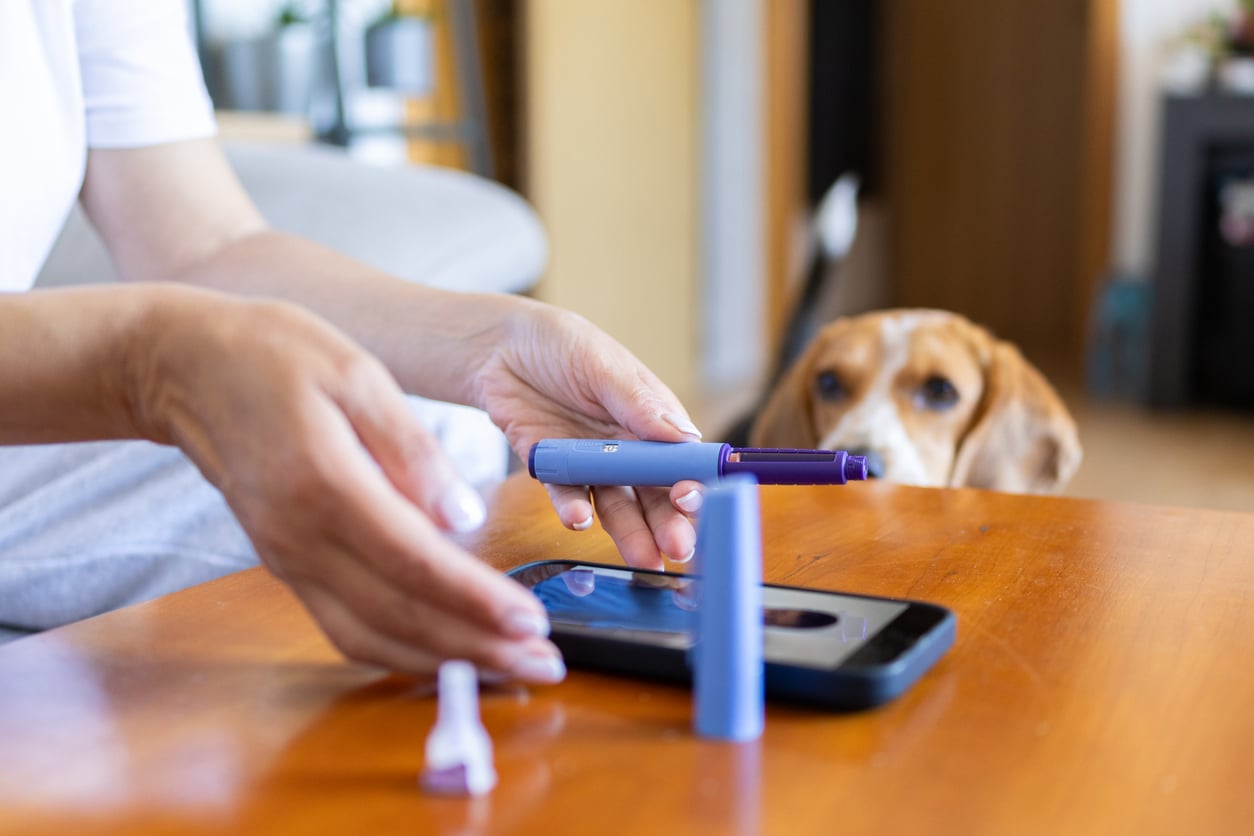
GLP-1 medications come in both injectable and oral forms. Most are injections that you give yourself once a week, twice a week, or daily.
- Semaglutide for diabetes and weight loss.
- Tirzepatide for diabetes and weight loss.
Oral option:
- Semaglutide may also be taken as a daily pill.
Many older adults prefer weekly injectable GLP-1 medications because they are more convenient than daily doses. These injections are administered subcutaneously, typically in the abdomen, thigh, or upper arm. For those who prefer to avoid injections, an oral option is available; however, it must be taken on an empty stomach with only a small amount of water.
Benefits of GLP-1 use in seniors
GLP-1 medications confer several significant health benefits for older adults beyond their primary indications. These agents can facilitate weight management, enhance glycemic control, protect cardiovascular and renal health, and potentially reduce the risk of cognitive decline.
Weight loss and weight management

GLP-1 medications can support clinically meaningful weight loss in older adults with excess body weight. These agents reduce appetite and prolong satiety after meals, thereby facilitating reduced caloric intake without persistent hunger.
Weight management becomes increasingly important with advancing age, as excess body weight can impair mobility, diminish quality of life, and increase the risk of additional health complications.
According to the World Health Organization, GLP-1 therapies may serve as a long-term treatment option for adults with obesity. Sustained use of these medications can help maintain weight loss and reduce the likelihood of weight regain, a frequent challenge with other weight management strategies.
Type 2 diabetes control
For individuals with type 2 diabetes, GLP-1 medications can substantially improve glycemic control. These agents enhance insulin secretion in response to hyperglycemia and delay gastric emptying, thereby preventing postprandial glucose spikes.
Improved glycemic control may reduce the need for additional diabetes medications, which is particularly advantageous for older adults seeking to simplify their treatment regimens.
Approximately 26.5% of adults with diagnosed diabetes utilized GLP-1 injectables, with the highest usage observed in individuals aged 50 to 64 years (33.3%). These data suggest that a substantial proportion of older adults are already deriving benefits from these medications for diabetes management.
Cardiovascular and kidney outcomes

GLP-1 medications offer significant cardioprotective and renoprotective effects. Research demonstrates that these agents reduce the risk of adverse cardiovascular and renal outcomes compared to other diabetes medications, which is particularly relevant given the high prevalence of these conditions among older adults with diabetes.
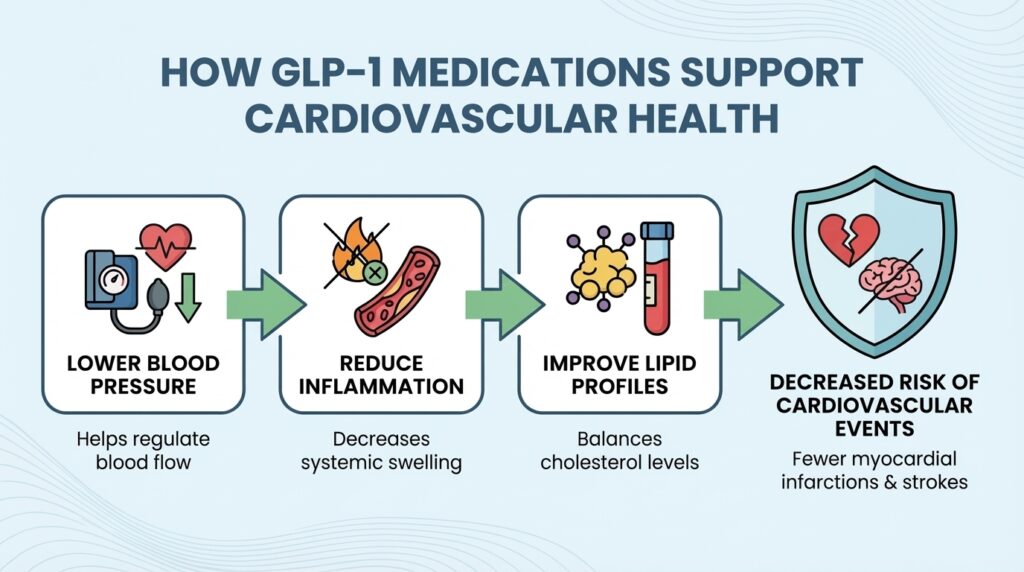
GLP-1 medications contribute to improved cardiovascular health by lowering blood pressure, reducing systemic inflammation, and improving lipid profiles. Collectively, these effects decrease the risk of myocardial infarction and stroke.
Renal function may also be preserved with GLP-1 therapy, as these medications can slow the progression of kidney damage in individuals with type 2 diabetes. Given the increased vulnerability of older adults to renal impairment, such protective effects are clinically significant.
Potential cognitive benefits
Emerging evidence suggests that GLP-1 medications may confer neuroprotective benefits in older adults. Studies have associated GLP-1 agonist use with a reduced risk of dementia compared to other diabetes medications in this population, a finding of particular relevance for those concerned about Alzheimer’s disease and cognitive decline.
These neuroprotective effects may be mediated by reduced neuroinflammation, enhanced cerebral blood flow, and improved neuronal function and survival.
Although additional research is warranted, these preliminary findings are promising. The potential for GLP-1 medications to support cognitive function represents an important consideration in their use among older adults.
Risks and side effects of GLP-1 in older adults
GLP-1 medications can pose several clear risks for older adults. Significant digestive issues such as nausea, vomiting, diarrhea, and constipation are more common and severe in seniors. There is also an increased risk of muscle and bone loss, as well as a higher likelihood of fluid and electrolyte imbalances. Interactions with other medications are another primary concern, all of which can lead to serious health problems and require close medical monitoring.
Gastrointestinal side effects

Gastrointestinal side effects are the most common problems you may experience with GLP-1 medications. Nausea and vomiting affect many people when starting these drugs.
Diarrhea is another frequent issue that can lead to additional complications. You might also deal with abdominal pain or constipation as your digestive system adjusts to the medication.
These digestive problems are often more severe for older adults compared to younger people. Seniors typically experience more extended adaptation periods to GLP-1 medications. While symptoms may improve after the initial few weeks, some people—especially older adults—may continue to experience persistent side effects that require ongoing medical attention.
If you experience severe or persistent gastrointestinal side effects, consult your doctor. They may need to adjust your dose or consider alternative treatments.
Muscle and bone loss
GLP-1 medications can lead to a loss of muscle mass, in addition to fat loss. GLP-1 receptor agonists could simulate a sarcopenic effect in frail older individuals, which means the drugs may contribute to muscle weakness.
Sarcopenia is already a concern as you age. Adding a medication that promotes muscle loss can make this problem worse. You may notice a decrease in strength or experience more difficulty with daily activities.
Bone density can also decline with significant weight loss. This puts you at a higher risk of fractures if you fall.
The combination of muscle loss and reduced bone mass increases your risk of falls. Falls are a leading cause of injury in seniors and can result in serious complications.
To protect your muscles and bones, focus on:
- Eating adequate protein (at least 1 gram per kilogram of body weight daily)
- Doing resistance training exercises
- Getting enough calcium and vitamin D
- Working with a physical therapist if needed
Dehydration and electrolyte imbalances

Vomiting and diarrhea from GLP-1 medications can quickly lead to dehydration. Older adults are already at higher risk for fluid imbalances because their sense of thirst may be reduced.
Dehydration can cause confusion, dizziness, and hypotension (low blood pressure). These symptoms increase your chances of falling and getting injured.
Electrolyte imbalances occur when you lose too much sodium, potassium, or other minerals through digestive problems. These imbalances can affect your heart rhythm and kidney function.
Kidney injury is a serious concern if dehydration becomes severe. Your kidney function may already be declining with age, making you more vulnerable to damage.
You should drink plenty of water throughout the day, even if you don’t feel thirsty. Contact your doctor immediately if you notice dark urine, extreme tiredness, or increased confusion.
Serious adverse events
Understanding the balance between therapeutic benefits and associated risks is essential when considering GLP-1 medications. Pancreatitis is a rare but severe inflammation of the pancreas that has been linked to the use of these medications.
Symptoms of pancreatitis include severe abdominal pain that may spread to your back, along with nausea and vomiting. This condition requires immediate medical attention.
Vision changes have been reported in some people taking GLP-1 medications. If you have diabetic eye disease, these drugs may worsen your condition in rare cases.
Kidney disease can develop or get worse during treatment, especially if you become dehydrated. Your doctor should monitor your kidney function regularly through blood tests to ensure optimal health.
Nutritional deficiencies may occur because these medications significantly reduce your appetite. You may not be eating enough to meet your body’s needs for vitamins and minerals.
Long-term studies are needed to fully understand the safety profile of GLP-1 medications in older adults. Your doctor should weigh these potential risks against the benefits before prescribing these drugs.
Safety considerations and patient selection
Selecting appropriate candidates for GLP-1 therapy requires careful evaluation of your individual health status, medication regimen, functional abilities, and metabolic lab results. Proper monitoring and dose adjustments become especially important for people over 65 who face higher risks of side effects and drug interactions.
Monitoring and dosing strategies

Your healthcare provider should initiate GLP-1 medications at lower doses and gradually increase them to minimize gastrointestinal side effects, such as nausea and vomiting. This approach is critical if you’re older, as dehydration from these side effects can lead to serious complications.
Regular monitoring of your kidney function is essential. GLP-1 medications are generally safe for your kidneys, but severe vomiting or diarrhea can cause dehydration that temporarily affects kidney performance.
Your blood sugar levels need close attention during the first few months of treatment. If you take other diabetes medications, your doctor may need to adjust those doses to prevent dangerously low blood sugar.
Weight loss tracking helps ensure you’re not losing muscle mass along with fat. Unintended muscle loss can increase your risk of falls and functional decline, which matters more as you age.
Addressing polypharmacy and comorbidities
If you take multiple medications, your geriatrician or primary care doctor needs to review all of them before starting GLP-1 therapy. Polypharmacy increases your risk of drug interactions and side effects.
GLP-1 medications can slow stomach emptying, which may affect how your body absorbs other oral medications. Your doctor should consider timing adjustments for medications that need precise absorption, such as:
- Thyroid hormones
- Blood thinners
- Antibiotics requiring specific dosing schedules
- Pain medications
Your existing comorbidities require special attention. If you have a history of pancreatitis, gastroparesis, or certain thyroid conditions, GLP-1 medications may not be appropriate for you.
Strategies to minimize risks when using GLP-1
Reducing side effects and health risks requires attention to proper nutrition, regular exercise, and close medical oversight. These approaches help protect muscle mass, maintain strength, and catch potential problems early.
Nutritional approaches to prevent muscle loss

Adequate protein intake is critical when taking GLP-1 medications. You should aim for 1.2 to 1.6 grams of protein per kilogram of your body weight daily.
This means if you weigh 150 pounds (68 kg), you need about 82 to 109 grams of protein each day. Spreading protein throughout your meals helps your body use it more effectively.
Good protein sources include:
- Lean meats like chicken and turkey
- Fish such as salmon and tuna
- Eggs and Greek yogurt
- Legumes and beans
- Cottage cheese and tofu
Healthy eating goes beyond just protein. You need adequate calories to prevent excessive muscle loss alongside fat loss. Working with a dietitian can help you create a meal plan that supports healthy body composition while using GLP-1 medications.
Focus on nutrient-dense foods that provide vitamins and minerals your body needs. Small, frequent meals may help if the medication significantly reduces your appetite.
Incorporating physical activity
Resistance training is crucial for maintaining muscle mass during weight loss. You should perform strength training exercises at least two to three times per week.
Focus on major muscle groups, including legs, back, chest, and arms. Each session should include 8 to 10 different exercises.
Begin with lighter weights and maintain proper form before increasing the intensity. Strength training helps keep your muscle tissue even as you lose weight.
Combine resistance work with other physical activity:
- Walking for 30 minutes most days
- Swimming or water aerobics
- Cycling or stationary biking
- Stretching and balance exercises
This combination helps protect your body composition by maintaining muscle while promoting fat loss. Exercise also helps control blood sugar and supports heart health.
If you have mobility limitations, chair exercises or physical therapy can provide similar benefits. The key is consistency rather than intensity.
Regular health monitoring and follow-up

Your doctor should check you regularly while taking GLP-1 medications. Schedule appointments every three months initially, or more often if needed.
Essential tests and checks include:
- Blood sugar levels and A1C
- Kidney function tests
- Blood pressure measurements
- Weight and body composition tracking
- Assessment of any digestive symptoms
Report new symptoms immediately rather than waiting for scheduled visits. Multisociety clinical practice guidance emphasizes the importance of proper monitoring for safe medication use.
Your healthcare team should review your medications at each visit. Some drugs may need dose adjustments as your weight changes.
Keep a journal of any side effects, changes in appetite, and fluctuations in energy levels. This information helps your doctor make informed decisions about your treatment plan.